When buying a house or condo, price, location and interest rates may top the list of considerations. But home style, materials and the number of stories can also play an important role in finding the right fit. The classic single-story brick ranch remains popular for its easy accessibility and straightforward maintenance. Meanwhile, Colonial, contemporary, mid-century modern and split-level homes offer different ways to organize living space.
The right choice depends on several factors, including family size, lifestyle, budget, physical needs and long-term plans. Whether you’re a first-time buyer, raising a family or looking ahead to retirement, understanding the advantages and disadvantages of each layout can help you make a more informed decision.
The Benefits of Single-Story Living
Single-story homes offer convenience and accessibility, with all the living spaces on one level. Without stairs to navigate, everyday activities such as carrying groceries, doing laundry and moving from room to room can be easier. This layout can be especially appealing to families with young children, older adults and anyone who wants to plan for changing mobility needs.
Having everything on one floor can also encourage togetherness. Open floor plans often make it easier to cook, entertain and spend time with family while keeping everyone connected. And when it comes to exterior maintenance, reaching windows, gutters and other features may be simpler when the home is only one story tall.
There are trade-offs, however. A single-story home generally needs a larger foundation and roof than a two-story home with the same interior square footage. That can increase construction costs, depending on the design and materials. A larger building footprint can also leave less room for a yard, patio or garden, particularly on smaller lots in established Austin neighborhoods.
Privacy can be another consideration. With bedrooms and shared living spaces on the same level, household activities may be more noticeable throughout the home. A thoughtful floor plan can help create separation, but the layout matters.
Why Choose a Multi-Story Home?
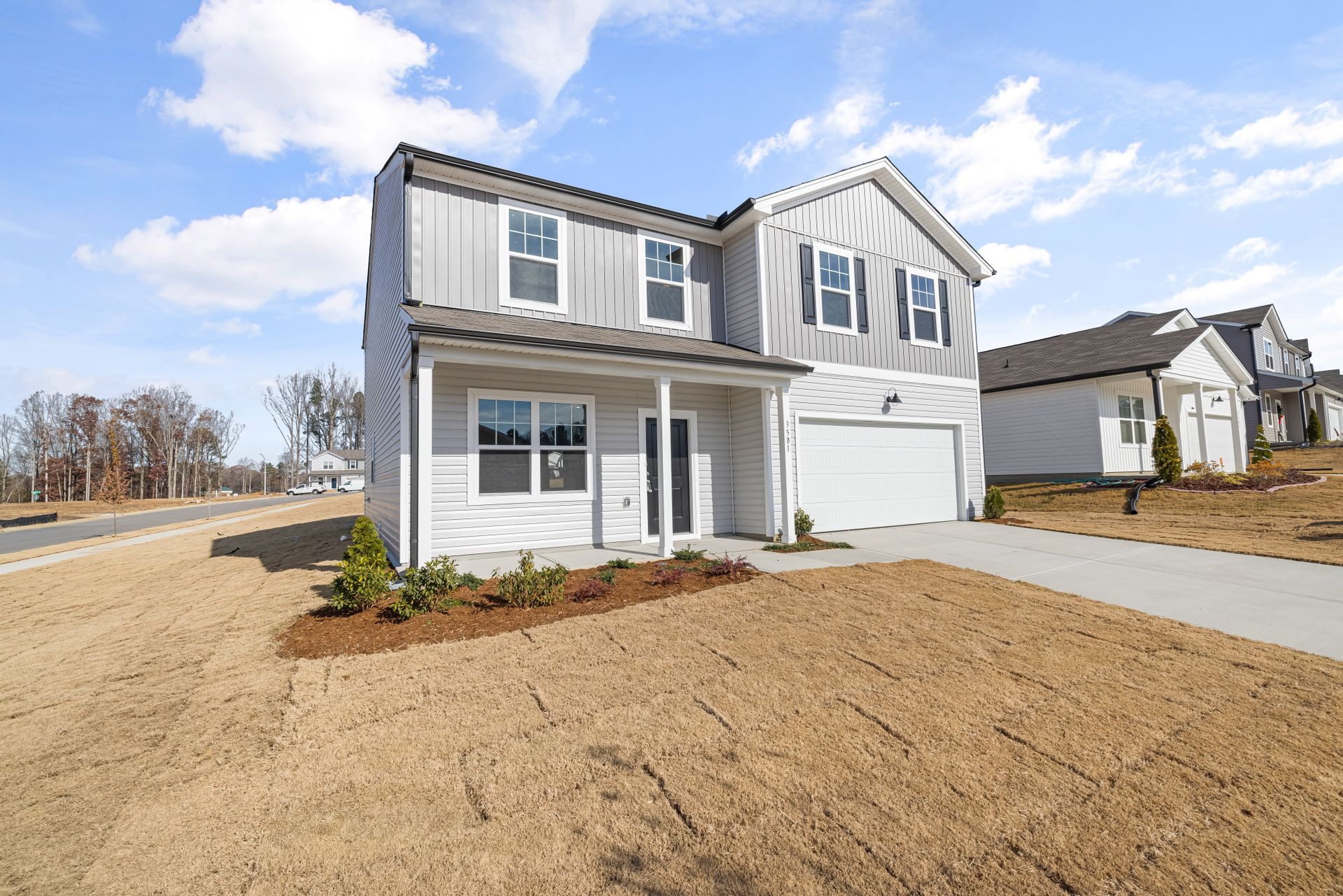
Two-story and other multi-level homes offer a different set of advantages. Building upward can provide more interior living space without taking up as much of the lot, leaving additional room for outdoor entertaining, gardening or relaxing in the backyard.
This can be particularly appealing in Austin neighborhoods where lot sizes, setbacks and other development requirements influence how a home can be designed. Areas such as Zilker, Tarrytown and South Austin feature a variety of home styles, including multi-story designs that make efficient use of available space.
Multiple levels can also provide a greater sense of separation. Bedrooms located upstairs and living areas downstairs may offer more privacy and help reduce everyday noise. Family members can work, study, relax or entertain without everyone needing to share the same space.
Of course, stairs are part of the equation. Climbing them provides some extra movement throughout the day, but stairs can become inconvenient or pose a fall risk for people with mobility challenges. Handrails, good lighting and slip-resistant treads can improve safety, although they don’t eliminate the need to consider accessibility.
On the design side, staircases can become a striking architectural feature. Upper floors may also provide attractive views and additional opportunities for natural light, depending on window placement and the surrounding landscape.
Maintenance and Energy Efficiency
Maintenance is another factor to weigh when comparing home styles. Single-story homes can be easier to access for routine exterior work, including cleaning gutters and windows. Multi-story homes may require taller ladders or professional equipment for some maintenance tasks, potentially increasing costs.
Heating and cooling deserve consideration, too. A home’s energy use depends on insulation, windows, air sealing, HVAC equipment, ductwork and the local climate, not simply the number of floors. In a multi-story home, warm air can rise and temperatures may vary between levels, so the design and performance of the heating and cooling system are important.
Rather than assuming one layout will always be cheaper to maintain or more energy-efficient, consider the home’s overall condition, construction quality and utility costs. These details can make a meaningful difference in the long run.
Building a Home: One Story or Two?
If you’re planning to build, the cost comparison isn’t always straightforward. A two-story home may require additional structural engineering, stairs and other construction elements. A single-story home with the same interior square footage generally requires more foundation and roofing area.
The size and shape of the lot can influence the decision just as much as the house itself. Setbacks, height limits, building coverage and other local requirements may affect the amount of space available for construction. Before settling on a design, it’s worth checking the applicable requirements for the property and discussing the options with a qualified builder.
Ultimately, the best layout will depend on the specific site, your budget and the features that matter most to you.
Think About Your Future Needs
It’s easy to focus on how a home will work today, but it is also worth considering what life might look like 10 or 20 years from now. Will your household grow? Might relatives move in? Could you eventually prefer fewer stairs?
A primary bedroom on the main level can provide flexibility for multigenerational households, visiting relatives or homeowners who want the option of single-level living later. Families with young children may prefer having all the bedrooms on one floor, while others appreciate the separation that an upstairs bedroom suite can provide.
Resale potential may also factor into your decision. Buyer preferences vary by neighborhood, price range and household needs, so neither single-story nor multi-story homes are automatically the better investment. Choosing a practical layout in a location that fits your goals can help you find a home that works for you now and down the road.
Finding the Right Fit in Austin
From a design perspective, multi-story homes can make a dramatic architectural statement, particularly with contemporary or custom designs. Single-story ranch homes offer timeless appeal and can blend beautifully with a wide range of landscaping styles.
Builders may have strong opinions about which layout is best, but there is no universal winner. A single-story home may appeal to buyers seeking accessibility and convenience, while a multi-story home may be a better match for those who want more living space on a smaller lot or greater separation between rooms.
The real estate professionals at Habitat Hunters have helped buyers navigate Austin’s diverse housing market and understand the details that can make a difference. Whether you’re buying your first home, relocating to Austin or planning for the next chapter, having knowledgeable guidance can help you evaluate your options with confidence.
Whichever layout you choose, the goal is the same: finding a home that fits your lifestyle, your priorities and your vision for the future. After all, there’s no place like home.
Whether you’re purchasing your first property or looking for a home that better fits your changing needs, Habitat Hunters can help you navigate the home-buying process in Austin and find a property that works for you.